
Karen Scott Petite vs Regular Tops: Which Fit Works for Your Frame?
Choosing between petite and regular sizing can feel like guesswork if you’ve never tried both. Many shoppers assume petite means small overall, when in reality it’s about proportion — sleeve length, torso coverage, and shoulder placement rather than bust or waist measurements.
At Karen Scott, we design both petite and regular tops to flatter different frames without compromising style. This guide walks you through the key fit differences, so you can confidently pick the cut that works for your height and build.

How Sleeve and Torso Length Differ Between Petite and Regular
The most obvious adjustment in petite tops is sleeve length. Regular sleeves typically measure 23 to 24 inches from shoulder seam to cuff, while petite sleeves run closer to 21 to 22 inches. That two-inch difference prevents fabric from bunching at your wrists or requiring a permanent cuff roll.
Torso length matters just as much. A regular-fit tunic might hit mid-thigh on someone 5’4″ and below, reading more like a dress than a top. Our petite tops shorten the body by one to two inches so hems land where the designer intended — at the hip or just below, not halfway down your leg.
Shoulder seams also shift inward slightly in petite cuts. When a regular top’s shoulder line drops past your natural shoulder bone, the entire silhouette looks oversized even if the bust fits perfectly.
When Regular Sizing Works Better Despite Your Height
Height alone doesn’t determine whether you need petite proportions. Some women under 5’4″ have longer torsos or arms relative to their legs, which means regular tops provide better coverage and a more balanced look.
If you consistently find petite tops riding up when you raise your arms, or if standard sleeve lengths hit right at your wrist bone without excess fabric, regular sizing likely matches your frame. The same applies if you prefer tunic-length tops that skim the upper thigh — petite versions might end too high to achieve that silhouette.
Comparing Fit Across Different Styles
Knit tops and wovens behave differently even within the same size category. Stretch fabrics in regular sizing can sometimes work for petite frames because the material adjusts to your shape, while a structured button-down in regular proportions will gap or drape awkwardly no matter how forgiving the weave. Understanding clothing size standards across the industry helps clarify why no single measurement chart works for every brand or fabric type.
Shoulder Fit and Armhole Placement
Shoulder seams should align with the edge of your shoulder bone, not droop down your upper arm. When a regular top’s shoulder sits too wide, the armhole gapes and the sleeve twists forward, creating drag lines across the chest.
Petite cuts move the shoulder seam inward by roughly half an inch on each side. That small shift keeps the armhole snug against your body and prevents the sleeve from rotating out of position throughout the day.
Armhole depth also changes between petite and regular styles. A deeper armhole in regular sizing can feel loose under the arm, especially in sleeveless or cap-sleeve designs. Petite armholes sit higher and closer to the body, which improves both comfort and the overall drape of the garment.

Bust Dart Placement and Waist Shaping
Darts and waist seams are graded up or down the torso depending on whether a top is cut for petite or regular proportions. In regular sizing, the bust dart typically sits about nine inches below the shoulder seam. Petite versions move that dart up by one to one and a half inches so it aligns with your natural bust apex.
When a dart lands too low, fabric pools above it and the top looks baggy through the chest even if the bust measurement fits. The same principle applies to princess seams and empire waistlines — if the design element hits below your natural waist or bust, the garment won’t flatter your shape no matter how well the width fits.
For shoppers who need petite tops but also want coordinated separates, our petite pants follow the same proportional adjustments in rise and inseam, so you can build a wardrobe that works together without constant tailoring.
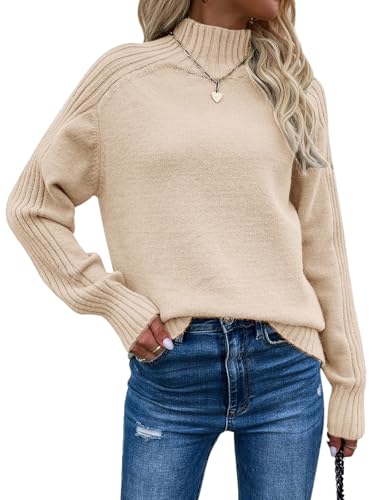
Trying Both Sizes to Confirm Your Best Fit
The only way to know for certain which cut works is to try both a petite and a regular version of the same style. Stand in front of a mirror and check where the hem falls, whether the sleeves cover your wrist bone without excess fabric, and if the shoulder seams sit on top of your shoulders rather than sliding down your arm.
Raise your arms overhead and twist side to side. A top that fits properly won’t ride up or pull across the back when you move. If you notice the fabric hiking up more than an inch or two, the torso length is too short — even if you’re technically within the petite height range.
Many of our customers also appreciate exploring complementary brands that offer similar attention to fit. Shoppers who value thoughtful sizing often find Alex Marie delivers the same level of detail in their tailored separates and occasion wear.
Finding Your Best Fit Between Petite and Regular
Petite vs regular tops isn’t a strict rule based only on height — it’s about matching sleeve length, torso coverage, and shoulder placement to your individual frame. Trying both cuts in the same style reveals which proportions flatter your shape and move comfortably throughout the day.
At Karen Scott, we design every top with real bodies in mind, so you can find pieces that fit right the first time. Whether you reach for petite or regular sizing, the right choice is the one that makes you feel confident and looks like it was tailored just for you.
Common Questions About Petite and Regular Sizing
Petite sizing typically fits women 5’4″ and under, though some brands extend that range to 5’5″. The key is proportion rather than absolute height — if your torso and arms are shorter relative to your legs, petite cuts will fit better even if you’re slightly taller than the standard cutoff.
Yes. Body proportion matters more than your overall height. If you have a longer torso or longer arms, regular sizing may provide the coverage and sleeve length you need. Try both cuts in the same style to see which aligns better with your natural shoulder and waist placement.
No. Petite sizing adjusts length and vertical proportions — sleeves, torso, and shoulder-to-waist distance — but the bust, waist, and hip circumferences remain the same as regular sizing within each numbered size. A petite medium and a regular medium share the same width measurements.
The shoulder seam should sit right at the edge of your shoulder bone, where your arm naturally hinges. If the seam droops down your upper arm or pulls toward your neck, the fit is off. A correctly placed seam keeps the sleeve hanging straight and prevents the armhole from gaping.
Hemming shortens the overall length but doesn’t adjust sleeve length, shoulder width, armhole depth, or dart placement. A tailor can shorten sleeves separately, but moving darts and resizing armholes requires more complex alterations. Petite cuts are graded to address all these proportions at once.
Absolutely. Many women wear petite tops with regular pants, or vice versa, depending on where their proportions differ. The goal is a balanced silhouette — if your legs are longer but your torso is shorter, pairing a petite top with regular pants often works beautifully.