
Karen Scott Sweater Pilling After First Wash? Here’s the Real Fix
You pulled your new Karen Scott sweater from the dryer, and there they are: tiny fabric pills dotting the sleeves and body. It’s frustrating, especially when you followed the care tag. But pilling after the first wash isn’t a defect—it’s a fiber behavior you can control with the right sweater pilling fix.
We design our sweaters to balance softness with durability, but certain fibers shed short staple fibers during early wear and washing. The good news: a few adjustments to how you wash, dry, and handle knits will drastically reduce pill formation and keep your sweaters looking new through dozens of wears.
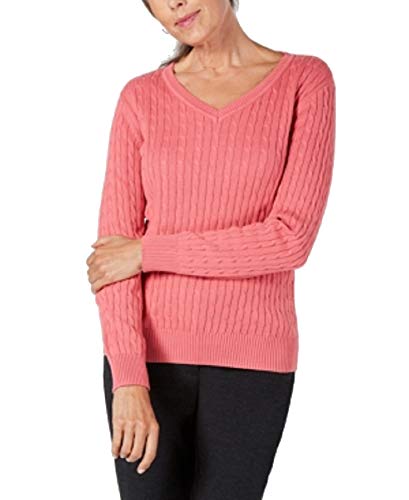
Why Karen Scott Sweaters Pill After the First Wash
Pilling happens when short fibers work their way to the fabric surface during friction—rubbing against skin, other garments, or the washing machine drum. Our sweaters use blends that prioritize comfort: cotton, acrylic, and modal blends give you softness and stretch, but they also contain fibers of varying staple lengths.
During the first wash, loose fibers that didn’t fully bond during manufacturing rise to the surface and tangle into pills.
Fiber Length Matters
Longer-staple fibers (like those in premium cotton or merino wool) pill less because they’re anchored more securely in the yarn twist. Shorter fibers—common in budget-friendly acrylic and cotton blends—have more free ends that migrate outward.
The same construction principles that shape fit also influence pill resistance. If you’ve compared how our petite and regular tops differ in proportion, you know we adjust more than just length—yarn tension and knit density vary by size range, and tighter knits trap fibers better than loose ones.
The Wash Technique That Stops Pills Before They Form
Turn every sweater inside out before washing. This single step cuts pill formation by half because the outer surface—the part people see—rubs against itself instead of zippers, buttons, and rough drum edges.
Use cold water and the delicate cycle. Heat and agitation are the two forces that drive fibers to the surface. Cold water keeps yarn relaxed; the gentle cycle reduces tumbling friction.
Detergent Choice
Skip fabric softener entirely. It coats fibers with residue that loosens their grip on the yarn, making them easier to pull free during wear. A mild liquid detergent—never powder, which leaves grit that abrades fabric—is all you need.
Dry flat or hang to air-dry whenever possible. The dryer’s heat and tumble action are responsible for more pilling than any other single factor. If you must use a dryer, choose low heat and remove the sweater while it’s still slightly damp.
How to Remove Pills Without Damaging the Fabric
A fabric shaver is the fastest, safest tool for removing pills once they’ve formed. Hold the sweater taut on a flat surface and glide the shaver in small circles—don’t press hard or linger in one spot, which can thin the knit.
For delicate fabrics or small pill clusters, a sweater comb works better. Lay the garment flat, stretch the section gently, and brush in one direction following the knit’s grain.
Manual Removal
Never pull pills off by hand. Tugging damages the underlying yarn structure and creates new loose ends that pill faster next time. If you don’t have a shaver or comb, use a disposable razor held at a shallow angle—just skim the surface, don’t dig in.
After removing pills, wash the sweater inside out again to clear away any loosened fibers. This reset step prevents shed fibers from re-tangling into new pills during the next wear.

Choosing Fabrics That Resist Pilling from the Start
Not all Karen Scott sweaters pill equally. Our merino wool and long-staple cotton styles show significantly less pilling than acrylic blends because the fibers are longer and more tightly twisted into the yarn.
Check the fabric content tag before buying. A blend labeled ‘100% acrylic’ will pill more than one marked ‘cotton/modal blend’ or ‘merino wool.’ Knit garments in structured categories often use tighter weaves that trap fibers better, reducing surface migration.
Tighter knits also resist pilling better than loose, open weaves. Run your hand over the fabric: if you can see daylight between stitches or the fabric feels airy and loose, expect more pills. A dense, opaque knit locks fibers in place and stands up to repeated washing with minimal fuzz.
Keeping Your Sweaters Pill-Free Season After Season
Pilling after the first wash is fixable and preventable. Turn sweaters inside out, wash cold on delicate, and air dry whenever you can. Remove pills with a fabric shaver as soon as they appear, and choose tighter-knit, longer-staple fiber styles when shopping.
These steps work for every knit in your wardrobe, not just Karen Scott pieces. The Good Housekeeping Institute confirms that washing technique matters more than price point when it comes to pill prevention.
With the right care routine, your sweaters will look sharp and fuzz-free through years of wear—no sacrifices to comfort or softness required.
Common Questions About Sweater Pilling and Care
No. Pilling is a natural fiber behavior, not a manufacturing defect. Even luxury cashmere and merino wool pill during early wear because short fibers work free from the yarn.
What matters is how much pilling occurs and whether it stops after the first few washes. Our sweaters shed loose fibers quickly, then stabilize—most pill formation happens in the first three to five wears.
You can’t eliminate pilling entirely on any knit fabric, but you can reduce it by 70-80% with the right care. Washing inside out, air drying, and choosing longer-staple fiber blends are the three most effective steps.
Avoiding high-friction situations—like wearing a backpack or seatbelt directly over the sweater—also helps. Layer a smooth shell or jacket over knits when you know friction will be high.
Remove pills as soon as you notice them—usually after every three to five wears. Waiting too long lets pills tangle into the fabric more deeply, making them harder to remove without damaging the knit.
A quick pass with a fabric shaver takes less than two minutes and keeps the sweater looking fresh. Make it part of your regular garment refresh routine, like spot-cleaning or steaming wrinkles.
For delicate knits like lace or open-weave styles, skip the fabric shaver and use a sweater comb or fine-tooth brush instead. These tools remove pills gently without pulling on the fragile yarn structure.
Always work on a flat surface with the fabric stretched taut. Brush in one direction following the knit’s natural grain, and stop immediately if you feel resistance—forcing it will snag the yarn.
Dry cleaning reduces mechanical friction compared to home washing, but it won’t stop pilling entirely. The solvents used in dry cleaning can also leave residue that weakens fiber bonds over time.
For most Karen Scott sweaters, gentle home washing inside out on cold is safer and just as effective. Reserve dry cleaning for structured knits with linings or embellishments that can’t handle water.
Pilling rates depend on fiber content and knit structure, not brand. Our acrylic and cotton blends pill at the same rate as any comparably-priced sweater using similar materials.
If you’re seeing excessive pilling—covering more than 30% of the garment after five washes—contact us. That level of pill formation suggests a batch issue with the yarn twist or finishing process, and we’ll replace it.