
How Karen Scott’s Cotton-Blend Actually Stays Soft After Washing
Most sweaters lose their softness within a few washes — threads mat down, fibers compress, and what felt luxurious on day one turns scratchy by month two. Karen Scott’s cotton-blend knits are engineered differently. The specific ratio of cotton to synthetic fiber and the yarn construction method lock in softness even after repeated washing cycles.
Understanding what makes this blend resilient helps you protect that softness for years. We’ll walk through the material science, the washing missteps that ruin other sweaters, and the simple care routine that keeps our cotton-blend pieces feeling new.
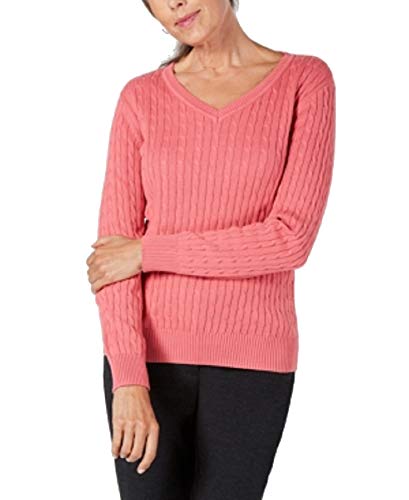
The Fiber Ratio That Protects Softness
Karen Scott’s cotton-blend uses a 60/40 cotton-to-acrylic split, slightly heavier on cotton than most department-store blends. Pure cotton feels soft initially but loses structure fast — the natural fiber absorbs water, swells, then compresses permanently as it dries. Acrylic adds memory: it springs back to shape after washing and prevents the cotton from collapsing into itself.
That 60/40 ratio keeps the hand-feel of cotton — breathable, matte, natural-textured — while the acrylic backbone does the structural work. When you pull a Karen Scott sweater from the dryer, the acrylic fibers have already repositioned the cotton threads back to their original spacing. Most blends reverse the ratio or use polyester instead of acrylic, which changes how the fabric recovers between wears.
The yarn itself is spun as a single blended strand rather than plying separate cotton and acrylic threads. Blended spinning distributes the synthetic evenly through every inch of yarn, so no isolated cotton sections can mat down on their own.
Why Hot Water and Fabric Softener Ruin Cotton-Blend Texture
Hot water forces cotton fibers to swell beyond their elastic limit — they expand, the bonds between cellulose molecules weaken, and when the fabric cools those fibers lock into a new, compressed shape. Acrylic tolerates heat better, but it can’t undo the damage already done to the cotton portion. Wash cotton-blend sweater care starts with cold water: 60°F or lower keeps cotton fibers stable and prevents the irreversible compression that makes fabric feel thin and papery.
Fabric Softener Coats Instead of Softening
Fabric softener deposits a waxy film on yarn surfaces. That coating initially masks roughness, but it also traps dirt and detergent residue inside the knit. After three or four washes, the buildup stiffens the fabric and blocks the acrylic’s natural stretch recovery. The cotton can’t breathe through the coating, so moisture stays trapped longer and encourages pilling.
Skip softener entirely and use half the detergent amount printed on the bottle. Modern detergents are concentrated — excess soap doesn’t rinse out fully and leaves the same stiffening residue softener would. A gentle cycle with minimal agitation and a cold rinse leaves the blend cleaner and softer than any additive could.
The Drying Method That Maintains Shape and Loft
High heat shrinks acrylic unpredictably and bakes cotton into a felted mat. Karen Scott cotton-blends are knit with a specific gauge — the number of stitches per inch — that holds shape as long as the yarn keeps its original diameter. Tumble-drying on high compresses yarn diameter and tightens the knit beyond the intended fit.
Air-drying flat is the safest method: lay the sweater on a towel, reshape the shoulders and cuffs to match their original dimensions, and let it dry away from direct heat or sunlight. If you must use a dryer, choose the lowest heat setting or the air-fluff cycle and pull the sweater out while still slightly damp. Finish air-drying flat for the last 20 percent of moisture — this prevents the mechanical tumbling from distorting the knit while it’s at its most vulnerable.
Never hang a wet cotton-blend sweater. Gravity stretches the shoulders and neckline permanently because the wet yarn has lost all structural tension. If the sweater develops the wavy texture some call pilling after a first wash, that’s a separate issue — our guide to fixing pilling after the first wash covers removal methods that won’t damage the underlying knit.

How Often to Wash Without Damaging the Blend
Cotton-blend knits don’t need washing after every wear. The acrylic resists odor absorption better than pure cotton, and the looser knit structure allows air circulation that prevents sweat buildup. Wash after three to four wears unless the sweater contacted food, smoke, or heavy perspiration.
Between washes, air the sweater on a hanger for an hour to release any moisture trapped in the yarn, then fold it and store it flat. The Woolmark Company’s care guidelines recommend similar intervals for blended knits — frequent washing accelerates fiber fatigue even when done correctly, and acrylic-cotton blends gain back their shape during rest periods if not subjected to unnecessary wash cycles.
Spot-clean small stains with cold water and a drop of mild detergent rather than running a full wash cycle. Dab the stain from the outside in, rinse with a damp cloth, and lay flat to dry. This removes the soil without subjecting the entire garment to the mechanical stress of a washing machine.
Soft Sweaters Start With the Right Wash Routine
Karen Scott’s cotton-blend construction does half the work — the fiber ratio and yarn engineering create a fabric that wants to stay soft. The other half is yours: cold water, minimal detergent, low heat or air-drying, and washing only when truly necessary. Follow that routine and the sweater you pull from the closet in year three will feel identical to the one you brought home new.
Most damage happens in the first five washes when owners are still figuring out the garment’s needs. Treat cotton-blend sweater care as a deliberate process rather than tossing everything into a hot cycle, and the blend’s engineered resilience becomes obvious. Softness isn’t luck — it’s method.
Questions About Keeping Your Cotton-Blend Sweater Soft
Yes, wool-specific detergents work well on cotton-blends because they’re formulated for delicate fibers and skip the harsh enzymes found in standard detergents. These enzymes break down protein-based stains but can also weaken cotton’s cellulose structure over time.
Choose a wool detergent without lanolin additives, which are meant to restore oils to animal fibers but leave a residue on plant-cotton blends. A capful in cold water on a gentle cycle is enough — wool detergents are highly concentrated.
Stiffness after the first wash usually means detergent residue or fabric softener buildup. Run the sweater through an extra rinse cycle with no additives — cold water only — to flush out any remaining soap.
If it’s still stiff, the wash water was too hot and caused the cotton fibers to compress prematurely. That damage is harder to reverse, but a vinegar rinse can help: add half a cup of white vinegar to the rinse cycle to strip residue and relax the fibers slightly.
Soak the sweater in cold water with a quarter-cup of white vinegar for 15 minutes, then rinse thoroughly and air-dry flat. Vinegar dissolves mineral deposits and detergent buildup that stiffen fabric.
If roughness comes from pilling rather than stiffness, use a fabric shaver to remove the surface fuzz. The sweater will feel smoother immediately because you’ve cleared away the damaged fiber ends that create the rough texture.
Ironing is safe at a low temperature with steam, but it’s rarely necessary. If the sweater has wrinkles, hang it in the bathroom while you shower — the steam will relax the knit naturally without direct heat contact.
If you must iron, turn the sweater inside out, set the iron to the lowest setting labeled for synthetics, and hover the iron just above the fabric while releasing steam. Direct contact on high heat can melt acrylic fibers and leave a shiny, flattened patch.
Acrylic is less breathable than cotton on its own, but the 60/40 blend ratio and the knit’s open structure allow enough air circulation for everyday wear. The acrylic percentage is low enough that moisture vapor escapes between stitches rather than being trapped against your skin.
If breathability is a concern for active use, layer the sweater over a moisture-wicking base layer. The base layer moves sweat away from your body, and the sweater’s knit lets that moisture evaporate outward.
Dry-cleaning is safe but unnecessary for cotton-acrylic blends. The solvents used in dry-cleaning won’t damage the fibers, but they also don’t clean cotton as effectively as water-based washing.
Home washing in cold water on a gentle cycle is gentler and more effective. Reserve dry-cleaning for sweaters with embellishments like sequins or beading that could snag in a washing machine.