
Karen Scott Ballet Flats vs Karen Scott Loafers: Which Fits Your Lifestyle Better?
The choice between ballet flats and loafers isn’t just about style — it’s about how your shoes work with your actual day. Both silhouettes offer slip-on ease, but they differ in arch support, heel structure, and the way fabric or leather stretches over time.
We build both styles at Karen Scott, and we see the same questions from shoppers trying to decide: which one holds its shape longer, which gives more room in the toe box, and which actually stays comfortable past hour three. This guide walks through the fit differences that matter — so you can pick the pair that works for your foot and your schedule.

Arch Support and Sole Construction
Ballet flats traditionally sit closer to the ground with a thinner, more flexible sole. That low profile keeps the shoe light and packable, but it also means less cushioning underfoot — fine for short errands, harder on your feet during a full day of standing or walking.
Loafers typically add a bit more structure: a slightly thicker sole, a modest heel lift (usually a quarter to half inch), and often a firmer midsole that holds its shape longer. The extra sole thickness doesn’t make them clunky, but it does distribute pressure more evenly across the foot.
If you spend most of your day on your feet, the added support in a loafer often makes the difference between ending the day comfortably and ending it with sore arches. Ballet flats work beautifully when you’re moving between car and desk, or when you need a shoe you can fold into a bag.
Toe Box Shape and Width Accommodation
Ballet flats usually taper toward the toe, following a sleeker, more feminine line. That narrower toe box looks elegant but can feel snug if your foot is wider or if you’re between sizes — and because the upper is often a single piece of fabric or soft leather, there’s limited give once the shoe is on.
Loafers tend to offer a roomier, more rounded toe box. The structured vamp (the part over your toes) doesn’t collapse inward the way a ballet flat’s fabric upper can, so your toes get a bit more breathing room even in the same numeric size.
We’ve found that customers with wider feet or any bunion tendency gravitate toward our loafer styles for that reason — the extra width in the toe box makes all-day wear realistic, where a ballet flat in the same size might pinch by mid-afternoon.
Heel Collar and Slip Prevention
One of the most common complaints about ballet flats is heel slippage: the low-cut collar at the back of the shoe doesn’t grip your heel firmly, so the shoe can pop off with each step if the fit isn’t perfectly snug. Sizing down helps, but then the toe box gets too tight.
Loafers sit higher around the heel and often include a firmer counter (the reinforced cup that wraps your heel). That extra structure keeps the shoe anchored to your foot without requiring an overly tight fit everywhere else.
If you’ve ever walked out of a ballet flat in a parking lot, you know the frustration. A loafer’s higher collar solves that problem — and it’s why loafers work better with thicker socks or cotton-blend fabrics that add a bit of bulk without causing the shoe to slip.
Material Stretch and Long-Term Fit
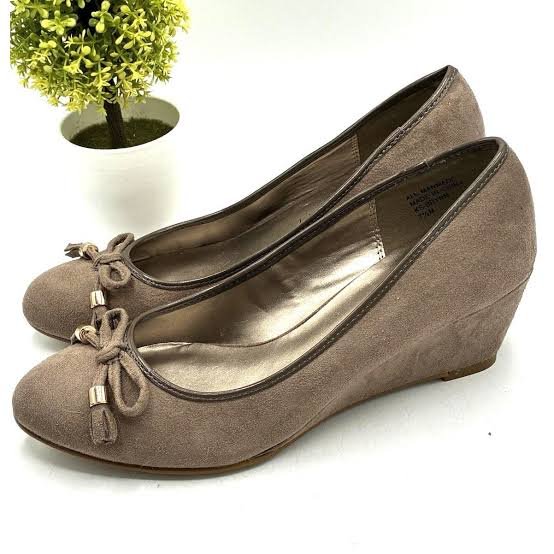
Ballet flats made from soft leather or knit fabric will stretch and conform to your foot over the first few wears. That’s a benefit if the shoe starts snug — it’ll break in and feel custom. But it’s a drawback if the shoe starts loose, because within a week or two it may stretch enough that you’re dealing with the heel-slip problem mentioned earlier.
Loafers, especially those with a structured leather upper or a canvas shell, hold their shape longer. The vamp stays firm, the collar doesn’t collapse, and the shoe maintains its original fit profile through dozens of wears.
For travel or situations where you need predictable fit without a break-in period, a loafer is often the safer choice. Our ballet flats are still the go-to for that minimalist, fold-and-pack silhouette — but expect to give them a few wears before the fit settles.
When Each Style Works Best
Ballet flats shine when you need a shoe that disappears: travel days, dressy events where you’re mostly seated, or any situation where you want the lowest-profile footwear possible. They pair beautifully with dresses, cropped pants, and skirts — and they pack flat in a suitcase without taking up real estate.
Loafers excel when you need all-day wearability: office environments, teaching or retail shifts, running errands across multiple stops. The added structure and support mean you’re not limping by 3 PM, and the higher collar keeps the shoe on your foot through stairs, crosswalks, and uneven pavement.
Neither style is strictly better — it’s about matching the shoe to the actual demands of your day. If your schedule involves a lot of standing or walking, reach for the loafer. If your day is lighter on your feet and heavier on appearance, the ballet flat is your answer.
Matching the Shoe to Your Day
The real answer to ballet flats versus loafers isn’t about which one is objectively better — it’s about which one matches the way you actually use your shoes. Ballet flats win when you need elegance, portability, and a low profile. Loafers win when you need support, structure, and all-day wearability.
We design both styles to last, but they’re built for different priorities. If you’re still deciding, think about your longest day: how much walking, how much standing, how much time on your feet. That’ll tell you which pair belongs in your closet first.
Common Questions About Ballet Flats and Loafers
Ballet flats typically run true to size but stretch with wear, so they may feel slightly larger after a few days. Loafers hold their size more consistently because of firmer construction.
If you’re between sizes, go with your usual size for loafers and consider sizing down a half size in ballet flats to account for stretch.
Loafers generally provide better arch support thanks to a thicker sole and firmer midsole construction. Ballet flats sit closer to the ground with minimal cushioning, which works for short wear but can feel flat during extended standing or walking.
If arch support is a priority, a loafer is the more supportive option out of the box.
Both styles work with cropped pants, skirts, and dresses, but ballet flats read more delicate and dressy while loafers skew slightly more casual and structured.
Ballet flats pair best with lighter, flowy fabrics. Loafers handle heavier materials like denim or wool trousers without looking out of place.
Loafers typically outlast ballet flats because their firmer construction resists wear and shape loss. Ballet flats made from soft leather or fabric will stretch and show wear faster, especially around the toe and heel collar.
If you’re wearing the same pair five days a week, a loafer holds up better over time.
Loafers are slightly heavier due to the thicker sole and structured upper, but the difference is minimal in practice — usually an ounce or two per shoe. Ballet flats feel lighter and more packable, which matters for travel but not for everyday wear.
The added weight in a loafer translates to better support, not bulkiness.
Loafers accommodate wide feet more comfortably because of a roomier, more rounded toe box and a structured vamp that doesn’t collapse inward. Ballet flats taper toward the toe and often feel snug if your foot is wider than average.
If you have any bunion tendency or need extra width, a loafer is the better fit.